Every lead you buy from a marketplace is a customer you rent. The portal owns the search, the profile, the message thread, and the relationship. You get a name and a phone number, this time. Next year you pay for the same buyer again.
The math nobody runs
Take a 60-car lot paying for two portal subscriptions and boosted placement. Between fixed fees and per-lead charges, the monthly bill adds up faster than most dealers expect. Now ask the uncomfortable question: how many of those leads would have found you anyway, and how many will ever come back to you rather than to the portal?
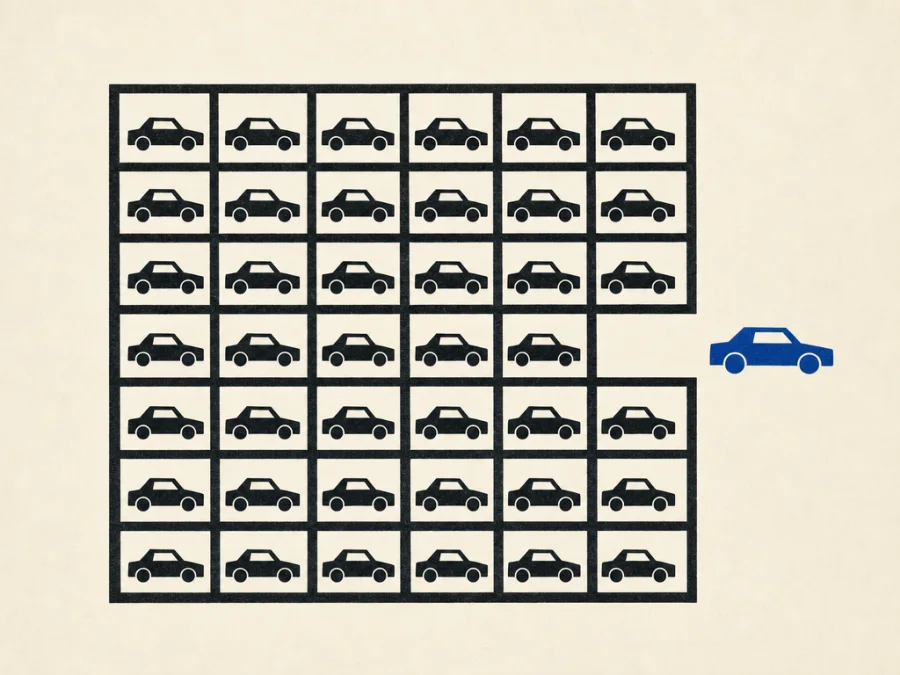
Portals are aggregators. Their product is choice, which means their product is your competitors, one thumb-scroll away from your best listing. You pay to be compared.
What the portals are good for
Reach, honestly. A marketplace puts your inventory in front of buyers who have never heard of you. That has real value, and the answer is not to rage-quit the portals tomorrow. The answer is to stop letting them be the only place your inventory lives.
The own-lane playbook
- Get a storefront on your own domain. Not a profile page. A site where the search, the listings, and the lead thread belong to you.
- Route every ad to your domain, not your profile. Classifieds bring the first visit. Your storefront earns the second one.
- Capture the relationship. Every inquiry lands in your inbox with the car attached. Follow-ups happen on your terms, not inside a portal thread that expires.
- Measure the shift. Watch the share of leads arriving direct versus rented, quarter over quarter. Whatever the number is today, the direction is what you are trying to change.
The compounding part
A portal lead is spent the moment it converts or dies. A direct lead compounds: the buyer bookmarks your search page, shares a listing link in a family group chat, and comes back in three years for the trade-in. None of that accrues to you on a marketplace. All of it accrues to you on your own domain.
Rent reach. Own the relationship. That split is the whole strategy.