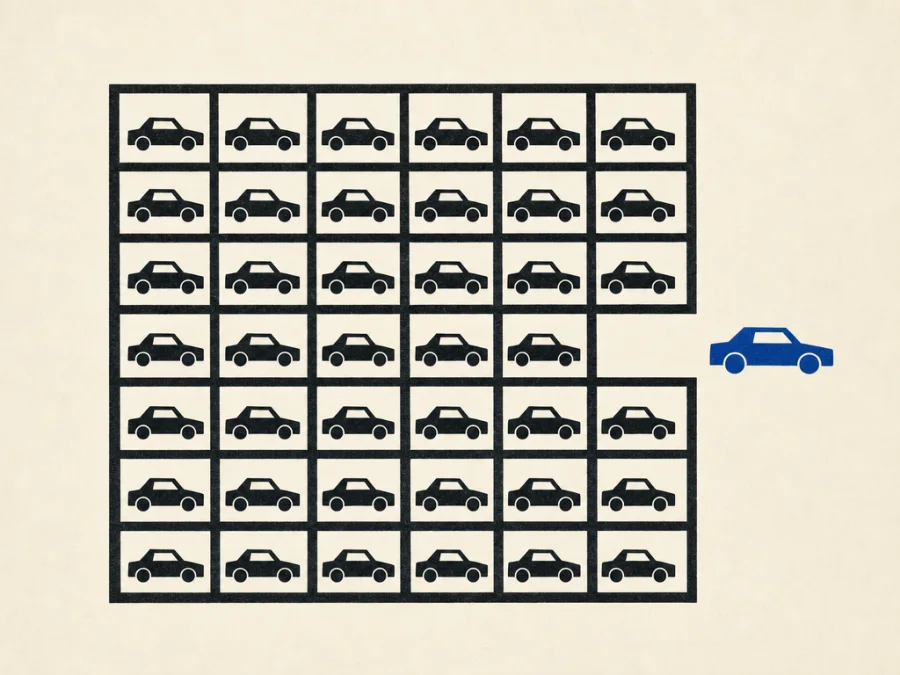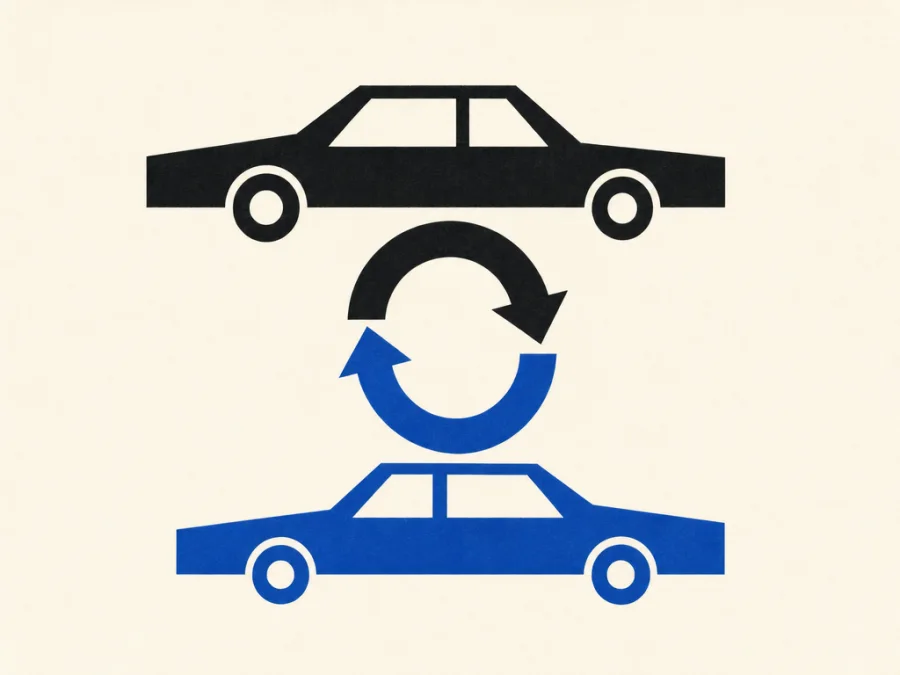
Every buyer who walks in with a car to sell is two deals wearing one jacket. The retail sale gets all the attention; the trade-in quietly decides whether the month was good. In a tight-supply market, your own showroom floor is the cheapest auction in town.
Why the trade-in is the margin
Auction cars arrive with fees, transport, and a bidding war baked into the price. A trade-in arrives with a story you can verify, a service history you can see, and a seller who mostly wants convenience. The spread between a fair trade allowance and the auction price of the same car is often the real profit in the whole transaction.
Run appraisal like a product, not a favor
- Appraise every car, every time. Even when the buyer "is not sure about selling." A number in their pocket works on them for weeks.
- Do it in front of them. Walk the car together, note the scratches together. A number that appears from a back office reads as a trick; a number built in daylight reads as a deal.
- Give the number in writing, valid for days. A written offer follows the seller home and outlives the emotional test drive that produced it.
From appraisal to listing in the same hour
The moment a trade lands, the clock starts. Photograph it before it moves, let AI auto-fill draft the specs while you enter the mileage and the story, and have the listing live the same afternoon, marked available. The dealers who win on trade-ins are not the sharpest appraisers; they are the fastest re-listers.
Sell one car, buy one car, list one car. One customer, three transactions. That is the deal inside the deal.